The digital frontier of cryptocurrency, while offering unprecedented financial freedom and innovation, also presents unique challenges, particularly concerning the security of user funds. Unlike traditional banks, which are heavily regulated and offer explicit deposit insurance, crypto exchanges operate in a comparatively nascent and often less standardized environment.
Understanding the Core Challenge: Why Crypto Security Matters
Crypto exchanges manage vast amounts of digital assets, making them prime targets for malicious actors. The decentralized and irreversible nature of blockchain transactions means that once funds are stolen, recovery is often extremely difficult, if not impossible. Unlike a hacked bank account where transactions can be reversed or funds insured, a successful crypto hack can lead to permanent loss. Exchanges are not merely platforms for trading; they are custodians of digital wealth, bearing the responsibility to protect user deposits from a myriad of threats, including sophisticated cyberattacks, insider threats, and even physical breaches. The integrity of the entire crypto ecosystem hinges on the ability of these centralized entities to safeguard assets, fostering the trust necessary for broader adoption and sustained growth.
The Foundation: Cold Storage vs. Hot Wallets Explained
Central to an exchange's security strategy is the careful management of digital wallets, broadly categorized into hot and cold storage. These two methods represent a fundamental trade-off between accessibility and security. Hot wallets are cryptocurrency wallets that are connected to the internet. They allow for quick transactions and are essential for an exchange's daily operations, facilitating deposits, withdrawals, and trading activities. However, their online connectivity makes them more susceptible to cyberattacks. Cold wallets, conversely, are offline wallets that are not connected to the internet. They are typically hardware devices or paper wallets, offering a significantly higher level of security by removing the digital attack surface. Exchanges typically employ a hybrid approach, using hot wallets for a small percentage of their total assets (enough to cover immediate operational needs) and securing the vast majority of user funds in cold storage.
What is the difference between cold and hot storage, and how does each contribute to security?
Hot storage refers to any cryptocurrency wallet that is connected to the internet, such as those used by an exchange for active trading, instant withdrawals, or liquidity provision. While highly convenient for rapid transactions and essential for the fluidity of trading operations, their online nature makes them vulnerable to hacking attempts, malware, and phishing attacks. Exchanges use hot wallets for a relatively small portion of their total holdings, typically just enough to meet immediate withdrawal demands and maintain market liquidity.
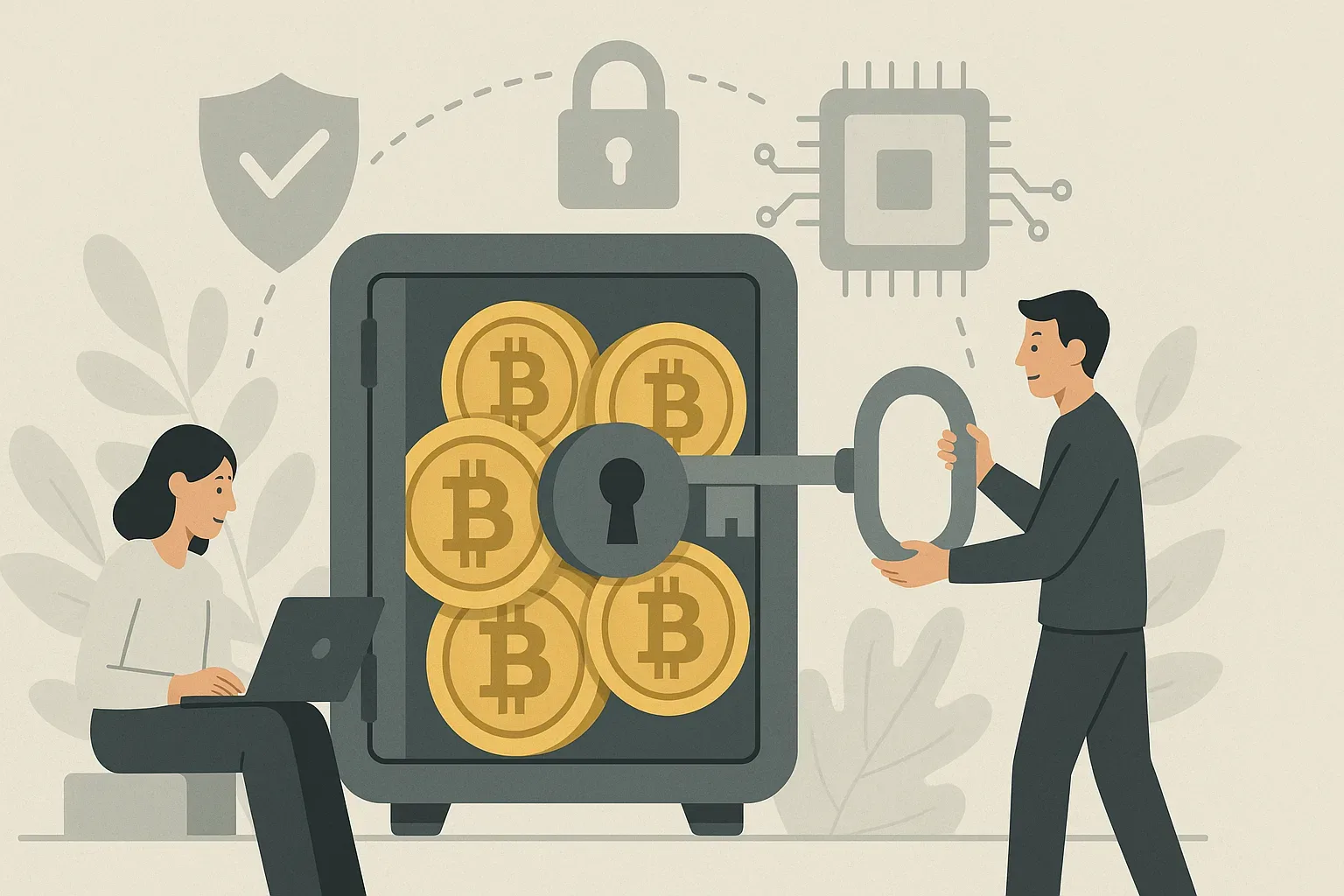
This can take various forms, including hardware wallets, paper wallets, or even physical vaults holding encrypted data. By being offline, cold storage eliminates many cyberattack vectors, making it vastly more secure against remote hacking attempts. Cold storage contributes to security by acting as an impenetrable reserve, safeguarding the bulk of user assets against large-scale digital theft, even if an exchange's hot wallet infrastructure were to be compromised. The combination of these two methods allows exchanges to balance the need for operational efficiency with robust asset protection.
Advanced Technical Safeguards: Beyond Wallets
Network security protocols, such as firewalls, intrusion detection systems (IDS), and intrusion prevention systems (IPS), continuously monitor network traffic for suspicious activity and block potential threats. Distributed Denial of Service (DDoS) attack mitigation is also vital, protecting against coordinated attempts to overwhelm an exchange's servers and disrupt service, which could create opportunities for other attacks. Regular penetration testing and vulnerability assessments are conducted by third-party security experts to identify and address weaknesses before malicious actors can exploit them. Additionally, secure coding practices are enforced during software development to minimize vulnerabilities from the outset. These layers of defense work in concert, creating a formidable barrier against an ever-evolving threat landscape.
How do crypto exchanges physically and digitally secure user funds?
Crypto exchanges secure user funds through a comprehensive approach that combines both physical and digital measures. Digitally, the primary defense involves a robust architecture centered on cold and hot wallets. Sophisticated encryption standards are applied to all data, including private keys and user information, whether it is stored or being transmitted.
Physically, the protection of user funds primarily pertains to the cold storage components. Some exchanges also employ air-gapped systems for sensitive operations, meaning these systems are completely isolated from any network. The physical security also extends to the data centers hosting the exchange's hot wallet infrastructure and operational servers, which are protected with strict access controls, backup power, and disaster recovery protocols.
Operational Security Protocols: Protecting Daily Transactions and Access
Beyond technical infrastructure, operational security protocols are critical for protecting daily transactions and ensuring secure access to user accounts. These protocols are the human and procedural safeguards that complement technological defenses. A cornerstone of operational security is Multi-Factor Authentication (MFA), requiring users to verify their identity through at least two different methods (e.g., password and a code from an authenticator app) before accessing their accounts or authorizing transactions. This significantly reduces the risk of unauthorized access even if a password is compromised. Strong password policies are enforced, encouraging users to create complex and unique credentials. Session management protocols monitor user activity and automatically log out inactive sessions to prevent unauthorized use. Incident response plans are in place to quickly detect, contain, and remediate security breaches, minimizing potential damage.
What operational procedures do exchanges use to prevent unauthorized access and theft?
Exchanges employ a rigorous set of operational procedures to prevent unauthorized access and theft, forming a critical layer of defense. Central to these is the stringent implementation of Know Your Customer (KYC) and Anti-Money Laundering (AML) policies. While primarily regulatory requirements, these procedures also enhance security by verifying user identities, making it harder for illicit actors to operate anonymously or use stolen funds. Users generally encounter these requirements during onboarding or when attempting to withdraw significant amounts. For more general definitions, you can refer to our article on crypto def.
Multi-signature (multi-sig) wallets are widely used for cold storage, requiring multiple private keys to authorize a transaction. These keys are held by different individuals or entities, preventing any single person from unilaterally moving funds. This distributed control significantly reduces the risk of insider theft or a single point of compromise. Internal audit trails and logging systems meticulously record all activities on the exchange, including system access, fund movements, and administrative actions, allowing for thorough forensic analysis in case of an incident. White-listing of withdrawal addresses is another common practice, where users can specify pre-approved addresses for withdrawals, preventing funds from being sent to unknown or malicious destinations even if an account is compromised. Employee background checks, ongoing monitoring, and stringent data access policies for personnel further reinforce the operational security posture, ensuring that only trusted and authorized individuals interact with sensitive systems and user funds.
Regulatory Compliance, Audits, and Insurance: External Layers of Protection
Beyond internal measures, regulatory compliance, external audits, and insurance act as vital external layers of protection for user funds. As the crypto industry matures, regulators globally are developing frameworks to govern exchanges, aiming to enhance consumer protection and market integrity. Compliance with these regulations, such as MiCA in Europe, often mandates specific security standards, capital requirements, and transparency reporting. Adherence to these legal frameworks not only demonstrates an exchange's commitment to security but also provides a degree of oversight from governmental bodies.
These audits provide an unbiased assessment of an exchange's security infrastructure, protocols, and practices, identifying vulnerabilities that internal teams might overlook. While not always covering 100% of user funds, these policies offer an additional safety net, providing a mechanism for restitution in certain unforeseen circumstances. The combination of regulatory pressure, expert scrutiny, and financial safeguards reinforces the exchange's security commitment and offers users an added layer of assurance.
Do crypto exchanges offer insurance for user funds, and what role does regulation play?
Yes, some crypto exchanges do offer insurance for user funds, though the scope and coverage vary significantly. Typically, insurance policies primarily cover assets held in hot wallets, which are more susceptible to online attacks. Cold storage assets, due to their offline nature, are generally considered lower risk and might be covered differently, if at all, or under broader corporate insurance for physical theft or disaster. These insurance policies are usually taken out by the exchange itself to protect its corporate holdings and, by extension, a portion of its users' assets in specific scenarios like a system hack, internal theft, or certain types of fraud. However, they are not equivalent to traditional bank deposit insurance (like FDIC in the US), which typically covers individual customer deposits up to a certain amount against bank failure. Crypto insurance rarely covers losses due to user error, such as compromised personal accounts through phishing or weak passwords.
Regulation plays an increasingly important role in driving exchanges to implement higher security standards and consider insurance. As jurisdictions worldwide develop clearer regulatory frameworks for crypto assets, these often include mandates or strong incentives for exchanges to protect customer funds. Regulations might require exchanges to hold a certain percentage of client funds in cold storage, conduct regular independent audits, or maintain sufficient capital reserves. In some cases, specific regulations may even push for the establishment of insurance funds or require exchanges to carry sufficient insurance coverage. For example, some regulatory bodies might require exchanges to demonstrate a robust plan for asset segregation, ensuring that user funds are kept separate from the exchange's operational funds, which is a key principle underlying traditional financial consumer protection. Therefore, while not universally mandatory or comprehensive, regulation acts as a powerful catalyst, encouraging exchanges to adopt better security practices, including the provision of some form of insurance or restitution mechanism, thereby enhancing the overall safety net for user funds.
Empowering Users: Your Role in Securing Funds
While exchanges implement robust security measures, users also play a critical role in securing their own funds. The strongest exchange security can be undermined by user negligence. The first and most vital step is to enable Multi-Factor Authentication (MFA) on your account. Using a strong, unique password that is not reused across multiple services is fundamental; password managers can greatly assist with this. Be vigilant against phishing attacks, which often mimic legitimate exchange communications to trick users into revealing login credentials or private keys. Always double-check URLs, sender addresses, and never click suspicious links. Exercise caution when approving app permissions or connecting your wallet to decentralized applications. For a better understanding of how crypto staking on exchanges work, ensure you are interacting with legitimate platforms.
Regularly review your account activity for any unauthorized transactions and promptly report suspicious activity to the exchange. Consider setting up withdrawal white-lists for known addresses to prevent funds from being sent to unknown destinations in case of compromise. For long term holdings, it is often recommended to withdraw funds from exchanges to a personal cold wallet, thereby taking full custody of your assets. While exchanges strive for maximum security, keeping your assets on an exchange always involves a degree of counterparty risk.
What can users do to enhance the security of their own accounts on an exchange?
Users have several powerful tools and practices at their disposal to significantly enhance the security of their accounts on a crypto exchange, complementing the security measures implemented by the platform. The foremost step is to always enable Multi-Factor Authentication (MFA), preferably using an authenticator app (like Google Authenticator or Authy) or a hardware security key (like YubiKey). SMS-based MFA is generally less secure due to SIM-swap attacks. MFA adds a critical second layer of verification, making it exceedingly difficult for unauthorized individuals to access your account even if they manage to obtain your password.
Another essential practice is to use strong, unique passwords for your exchange account – never reuse passwords from other services. A password manager can help generate and securely store complex passwords. Users must also cultivate extreme vigilance against phishing scams. Always verify the legitimacy of emails, messages, and websites by carefully checking URLs, sender addresses, and communication channels. Never click on suspicious links or download attachments from unverified sources. Legitimate exchanges will rarely ask for your password or private keys via email or direct message. Activating withdrawal address white-listing is highly recommended; this feature allows you to pre-approve specific wallet addresses for withdrawals, preventing funds from being sent elsewhere if your account is compromised.
Regularly monitoring your account for any suspicious activity, reviewing transaction history, and checking login records can help detect unauthorized access early. Consider enabling notifications for logins and large withdrawals. For substantial long term holdings, explore the option of withdrawing your assets from the exchange to a personal hardware wallet or other form of self-custody cold storage. This removes the counterparty risk associated with keeping funds on an exchange, giving you full control over your private keys. While exchanges implement robust security, the ultimate responsibility for protecting one's account often rests with the user's proactive security habits. Understanding how crypto exchange trading fees work also allows users to be aware of potential scam red flags related to unexpected charges.
How to Evaluate a Crypto Exchange's Security Posture
Evaluating a crypto exchange's security posture before entrusting funds requires a comprehensive due diligence process. Start by researching the exchange's history and reputation. Has it experienced significant security breaches in the past? How did it respond? Look for public statements regarding their security infrastructure, including their hot and cold storage policies, and the percentage of funds held offline. Reputable exchanges often publish details about their security measures on their websites. Next, investigate their regulatory compliance. Does the exchange operate in a regulated jurisdiction, and does it adhere to local and international compliance standards like KYC and AML? Regulatory oversight often implies a baseline level of security and operational integrity.
Third-party security audits are a strong indicator of an exchange's commitment to security. Look for evidence of regular audits by well known cybersecurity firms and whether they publish audit reports or summaries. The presence of a bug bounty program, which incentivizes ethical hackers to find vulnerabilities, also demonstrates a proactive security mindset. Check if the exchange offers insurance for user funds and understand the specifics of what is covered and under what circumstances. While not a complete safeguard, it adds an important layer of protection. User-facing security features, such as mandatory MFA options, withdrawal white-listing, and robust password policies, are also critical. Finally, read independent reviews and community discussions. While anecdotal, they can provide insights into an exchange's practical security and customer support when issues arise. By combining these research methods, users can form a more informed opinion on an exchange's ability to protect their assets.